
Reviewed · LONG BAY KITEBOARDING & WATERSPORTS
Bring A Friend Kiteboarding Lesson
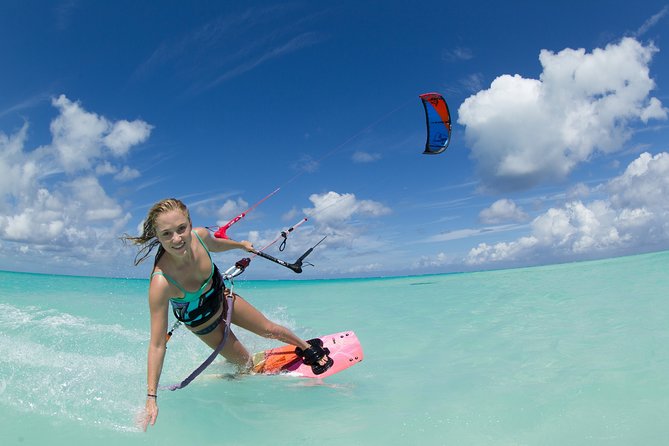
Long Bay Beach makes kiteboarding feel doable. This bring-a-friend lesson in Providenciales, Turks and Caicos pairs you with a certified guide so you can learn kiteboarding fast, with a rhythm of watching and then trying.
I especially like the focus on beginner-friendly safety plus the way the class is structured as a small private group with just two people.
What really helps is that you and your friend aren’t just spectators. You alternate between learning from the shoreline and then getting your own turn, which keeps momentum high and makes mistakes easier to spot and fix in real time.
A possible drawback to plan for: the lesson is shared, so your time can feel more split than a fully solo private setup, and you’ll need to match the group’s rules on skill and weight.
One key consideration is the matching requirement: you and your friend should be similar skill level, and you can’t be more than 50 pounds apart in weight. If that doesn’t fit, you may find the coaching pace and equipment setup harder to optimize.
In This Review
- Key highlights worth knowing before you go
- A 2-hour bring-a-friend setup on Long Bay Beach (the real point)
- What the certified guide actually does for you (and why it matters)
- The watch-then-try rhythm that helps you learn faster
- Long Bay Beach: why this spot is such a teacher-friendly classroom
- Gear is included, so you can focus on the basics
- How much time you really get: budget-friendly, but shared attention is real
- The practical logistics: meeting point, schedule window, and what to plan for
- Weather and wind: the one variable you can’t outsmart
- Who should book this bring-a-friend lesson?
- Bottom line: should you book Kiteboarding With a Friend in Turks and Caicos?
- FAQ
- FAQ
- How long is the bring-a-friend kiteboarding lesson?
- Where does the lesson take place?
- Is this a private lesson?
- Can beginners join this lesson?
- What’s required for you and your friend to be booked together?
- Is kiteboarding equipment included?
- What happens if weather isn’t good enough to run the activity?
Key highlights worth knowing before you go
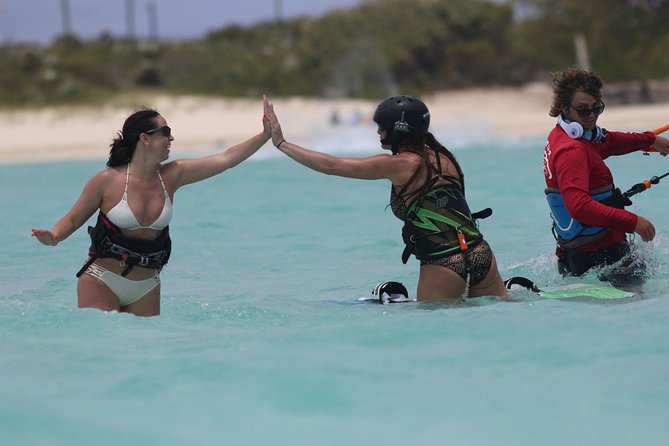
- Certified instruction on Long Bay Beach with a guide who stays with you while you learn kite control and riding fundamentals
- Small setup: max 2 travelers, so you get real attention instead of being lost in a crowd
- Watch, then try coaching flow that helps you correct technique quickly
- All equipment included, so you show up ready and don’t waste vacation time shopping or renting
- Wind and water conditions matter, and the best learning happens when the beach, tide, and breeze cooperate
A 2-hour bring-a-friend setup on Long Bay Beach (the real point)
This experience is built for pairs. It’s a private group lesson where the “bring a friend” part is not marketing fluff—it’s the core format. You’ll learn kiteboarding with a certified guide while sharing the lesson with a friend, and the group cap is 2 travelers total. That small size is a big deal for beginners. You’re not waiting your turn for setup help or trying to interpret what the instructor is saying from the other side of the beach.
Timing is straightforward: plan on about 2 hours on the clock. And you do not just get dropped off somewhere and left to figure it out. The lesson is conducted at Long Bay Beach, with the activity ending back at the meeting point.
Because this is a shared lesson, the course is designed to keep both people engaged. That’s why you’ll often move between watching and trying. It also explains why the lesson works best when you’re paired with someone roughly close in skill level—and close enough in body weight that the instructor can manage kite setup and performance safely.
Onto the flats at Long Bay, more kite and board days around Providenciales
What the certified guide actually does for you (and why it matters)
Kiteboarding has a reputation for being intimidating. The good news is that this lesson is taught with a safety-first structure and direct coaching. The guide isn’t just watching from a distance. They supervise, instruct, and help you build the sequence that makes the sport click: kite control, body position, stance, and wind awareness.
A theme that comes up again and again in instruction on Long Bay is patient, clear coaching. Instructors associated with Kite Provo—like Mark, Mati, Marc, Jay, Baptiste, Mawi, Alan, Laura, and Chris—are repeatedly described as calm, precise, and focused on correcting exactly what you’re doing wrong. You’ll want that kind of approach in the early stages, when tiny timing errors can lead to big frustration.
Also, some coaches are known for adjusting when conditions shift. For example, one rider noted that when the wind was a bit iffy, their instructor extended time to keep learning productive. You should still plan for a normal schedule, but it’s comforting to know instructors here often prioritize training quality over rushing.
The watch-then-try rhythm that helps you learn faster
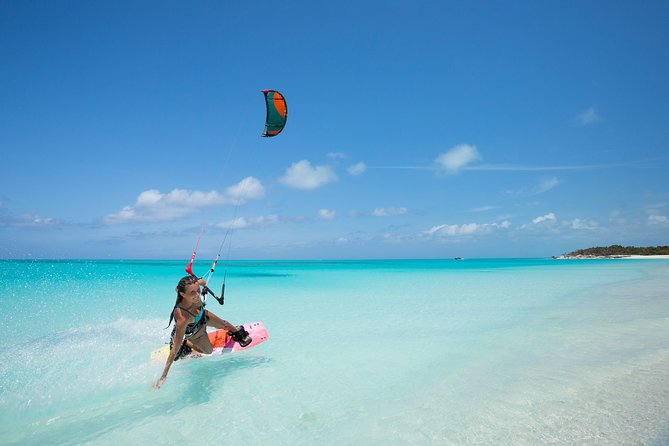
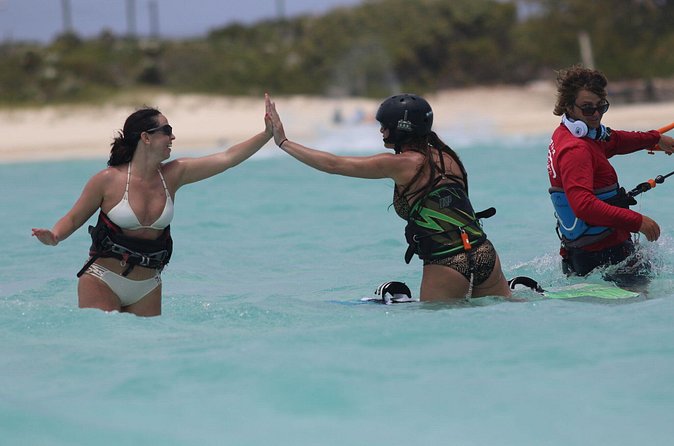
The headline feature is simple: switching between watching and trying it yourself helps you learn quickly. In practice, that means you’re not only learning from instruction—you’re also learning from observation.
Here’s why this matters:
- When you watch your friend try a move, you can mentally label what’s going right or wrong without the pressure of balancing, pulling, and steering all at once.
- When you try, you’re not starting from zero. You already have a “model” in your head from the previous attempt.
For beginners, this reduces the usual chaos factor. Instead of hoping you’ll stumble into the right kite angle, you’ll get repeated chances to apply what the guide just explained. And when something goes off, the instructor can address it right away while it’s still fresh.
If you’re traveling with someone who also wants to learn, this shared format can be a sweet spot. You both stay active, both get coaching, and you don’t burn vacation time staring at equipment while someone else takes all the instructor focus.
Long Bay Beach: why this spot is such a teacher-friendly classroom
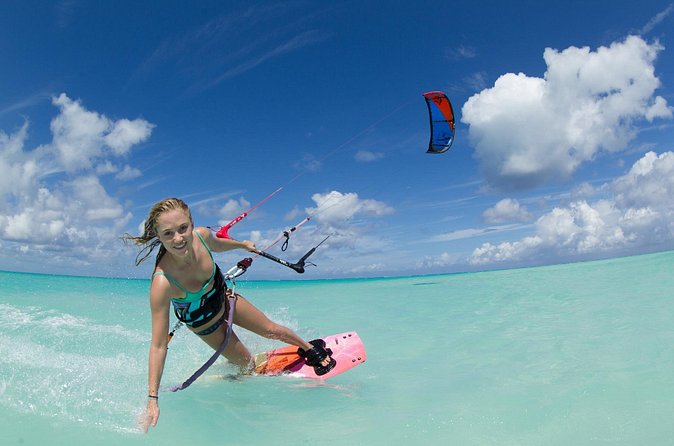
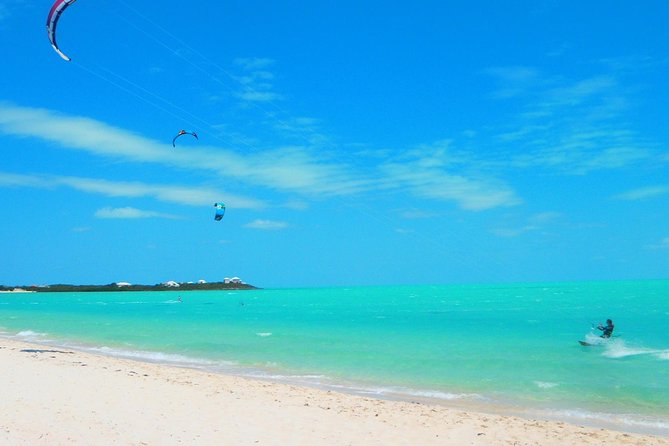
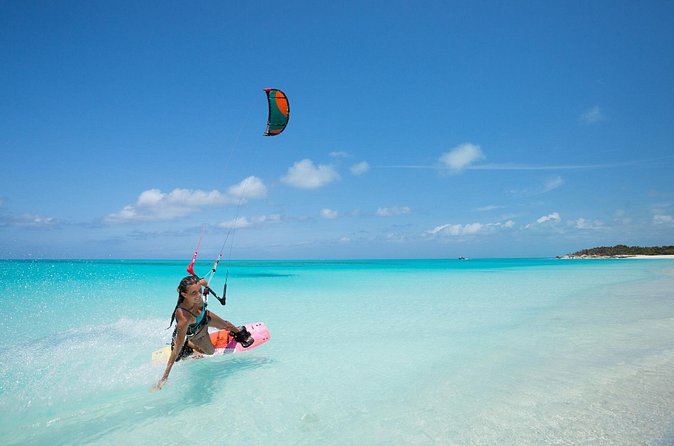
The lesson location is Long Bay Beach, and you can feel why this beach is popular for kiteboarding lessons: conditions are typically friendly for learning. Riders describe the water as shallow for miles, warm, and often clear enough that you can see what’s happening without squinting through spray. One big practical advantage mentioned is that the water can be chest-deep to waist-deep “as far as you can see,” which matters when you’re learning control and body positioning.
Also, Long Bay is known for having onshore wind patterns that help training. When you’re learning kite control, a consistent direction reduces the number of variables you must handle. You can focus on the kite’s behavior relative to your body instead of fighting weird gust patterns.
That said, this sport depends on weather. If the wind isn’t cooperating, you might not get the same amount of riding time as you hoped. The upside is that the instructors are there to manage the pace and keep the lesson meaningful even when conditions aren’t perfect.
A few more Providenciales tours and days on the water worth a look
Gear is included, so you can focus on the basics
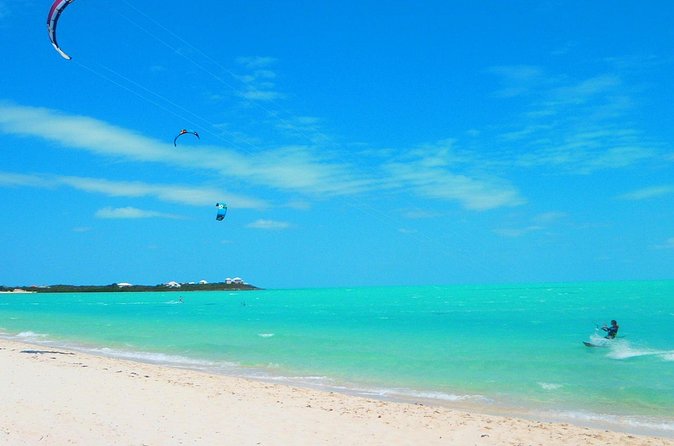
You don’t need to hunt down a full kit before you arrive. This lesson includes use of all kiteboarding equipment during the session. That’s a real value point, especially on a short vacation. Renting gear later can turn into a timing headache, and kiteboarding gear isn’t something you want to guess at when you’re just starting.
Having the guide control the equipment setup is also safer and more effective. The kit choice and adjustments can affect how quickly you feel stable and how easily you can learn control inputs.
In a shared lesson, equipment setup needs to work for both you and your friend. That’s why the rules include a weight difference limit of 50 pounds. Even if two people are equally motivated, bigger differences in mass can change how the kite pulls and how you move through the water—so matching helps the instructor keep the coaching consistent.
How much time you really get: budget-friendly, but shared attention is real
At $640 per person for about 2 hours, you’re not paying bargain-basement prices. But this isn’t just “beach supervision.” You’re paying for instructor time, certified coaching, and full equipment use.
Where the value comes in is the “bring a friend” structure. Because you share the lesson with one other participant, the cost can be lower than a fully private setup that gives you one-on-one instructor attention the entire time. In other words, you’re buying training that’s still hands-on, just not exclusive.
Here’s the trade-off: some people prefer maximum time on the water with a dedicated coach. Because this setup includes a watch-then-try flow and shared attention, you may feel like your active riding minutes are less than what you’d get in a private lesson.
If you’re both very confident you’ll progress quickly and you have the budget, you might compare options. One rider’s advice was that booking two separate private lessons can give more pure instructor time per person. That doesn’t make this lesson “bad”—it just changes the time math.
My practical take: if you and your friend are close in skill and you want a smart value play, this format can be excellent. If you’re chasing the fastest possible progression and you’re okay paying more, a private lesson often wins.
The practical logistics: meeting point, schedule window, and what to plan for
You meet at the Beach Enclave Long Bay area (Long Bay Heights). The lesson start point lists:
Beach Enclave Long Bay, 47 Joe Wood Drive, Long Bay Heights, Leeward Settlement TKCA 1ZZ, Turks and Caicos Islands.
The activity ends back at the meeting point, so you’re not dealing with multi-location transfers.
The operational window shown is Monday–Saturday, 8:00 AM to 5:00 PM, during the listed seasonal dates. You’ll want to book with an eye toward morning wind and clear weather when possible, since kiteboarding lives and dies by the breeze.
Also, your ticket is described as mobile. That’s helpful because you’re less likely to scramble on arrival—just have your phone ready when you check in.
Weather and wind: the one variable you can’t outsmart
Kiteboarding lessons require good weather. That’s not a formality; it’s the difference between learning comfortably and trying to force progress in rough conditions.
If the experience is canceled due to poor weather, you’ll be offered either a different date or a full refund. That matters for planning. On a trip, it helps to schedule your lesson with flexibility—don’t stack it with something that would be ruined if the lesson shifts.
It’s also worth noting that even when you’re “on the schedule,” wind can vary during the lesson day. One review described an instructor extending time because the wind was a bit iffy. You can’t count on extra time every day, but it’s a sign that instructors here often try to protect learning quality when conditions fluctuate.
Who should book this bring-a-friend lesson?
This lesson is built for shared learning, so it fits best when:
- you’re traveling with a friend or partner who also wants to learn (and you’re okay sharing instructor focus)
- you’re at a similar skill level (the lesson is for all skill levels, but the pairing should match)
- you and your friend are within 50 pounds of each other
- you want a structured introduction without buying or managing kiteboarding gear
It’s also a good choice if you like clarity and patience. Reviews highlight instructors who take the time to explain equipment and wind reading in plain language. One rider credited their instructor with teaching wind reading basics, and another described getting to the point of standing and experiencing the thrill after the second lesson—proof that good coaching plus repeat practice can move things along.
Who might prefer something else? If you’re solo, or if you and your friend aren’t close enough in skill or weight, you may be better suited to a different lesson format.
Bottom line: should you book Kiteboarding With a Friend in Turks and Caicos?
I’d book this if you want certified coaching, included gear, and a lesson structure that keeps both people actively learning. Long Bay is a strong setting for training, and the shared watch-then-try format can cut down the guesswork that often slows beginners.
I would think twice if you’re the type who needs maximum uninterrupted instructor time per person. In that case, two separate private lessons can be worth it because the time isn’t shared—and your “on-water” minutes may be higher.
If you’re close in skill, close in weight, and you and your friend are ready to learn together, this is a smart way to kick off kiteboarding in Turks and Caicos without turning your vacation into a gear project or a long waiting game.
FAQ
FAQ
How long is the bring-a-friend kiteboarding lesson?
It’s approximately 2 hours.
Where does the lesson take place?
The lesson is at Long Bay Beach. The meeting point is Beach Enclave Long Bay at 47 Joe Wood Drive, Long Bay Heights, Leeward Settlement (TKCA 1ZZ), Turks and Caicos.
Is this a private lesson?
It’s described as a private group, but you must have a minimum of 2 people in your party. The maximum is 2 travelers.
Can beginners join this lesson?
Yes. The lesson states that all skill levels welcome, and a certified guide instructs and supervises participants.
What’s required for you and your friend to be booked together?
You and your friend should be at a similar skill level and should not be more than 50 pounds different in weight.
Is kiteboarding equipment included?
Yes. The lesson includes the use of all kiteboarding equipment during the session.
What happens if weather isn’t good enough to run the activity?
This experience requires good weather. If it’s canceled due to poor weather, you’ll be offered a different date or a full refund.
More Hands-On Half-Days
- Hobie Cat Sailing Lesson★ 3.0 · 17 reviews
- 2 Hour Private Winging Lesson in Long Bay Beach★ 5.0 · 12 reviews
- 3 hours Private Kiteboarding Beginner Lesson★ 5.0 · 11 reviews
More Kite and Board Days at Long Bay
- Capt Marvin Watersports / Parasail – Public Tour★ 4.5 · 100 reviews
- Tubing on grace bay beach Turks and caicos islands★ 5.0 · 94 reviews
- Fast-Track Kiteboarding Camp: Best for Beginners★ 5.0 · 40 reviews
- Capt Marvin Watersports / Parasail – Private Tour★ 4.5 · 16 reviews
- Mangroves Stand-Up Paddleboard Tour★ 4.5 · 15 reviews
More Tour Reviews in Providenciales
- 4hour Group Half Day Snorkeling Excursion in Grace Bay★ 5.0 · 2,614 reviews
- 4-Hour Catamaran Sail and Snorkel Tour from Grace Bay★ 5.0 · 1,465 reviews
- Love Buggy Island Tour with Lunch★ 5.0 · 1,242 reviews
- Morning Half Day Cruise from Providenciales with Snorkeling and Iguana Island★ 4.5 · 1,222 reviews
- 2 Hour Champagne Sunset Cruise from Grace Bay, Providenciales (Adult Only)★ 5.0 · 1,010 reviews
Just added: newer Providenciales write-ups from the turquoise
- Providenciales Airport Private Transfer (Round trip)
★ 5.0 · 3 reviews - Half Moon Bay Jet Ski Tour & Snorkeling the La Famille Shipwreck
★ 4.5 · 3 reviews - Full-Day Private Cruise in Turks and Caicos with Lunch
★ 5.0 · 3 reviews - Private Luxury Transfer to/from Airport Turks and Caicos
★ 5.0 · 3 reviews - Sunset Cruise from Providenciales
★ 5.0 · 3 reviews - Snuba Adventure at Emerald Reef
★ 3.5 · 3 reviews - Private 2Hour Champagne Scenic Sunset cruise
★ 5.0 · 3 reviews - Providenciales to Caicos Providenciales Airport (PLS) – Transfer
★ 4.5 · 3 reviews
Long Bay Kiteboarding & Watersports, compared.
 ★ 4.5Capt Marvin Watersports / Parasail – Public TourFrom $90100 reviews
 ★ 5.0Tubing on grace bay beach Turks and caicos islandsFrom $7394 reviews
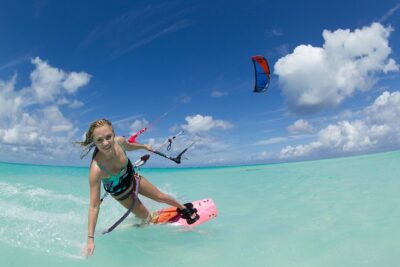 ★ 5.0Fast-Track Kiteboarding Camp: Best for BeginnersFrom $45040 reviews
 ★ 4.5Capt Marvin Watersports / Parasail – Private TourFrom $97416 reviews
 ★ 4.5Mangroves Stand-Up Paddleboard TourFrom $11015 reviews
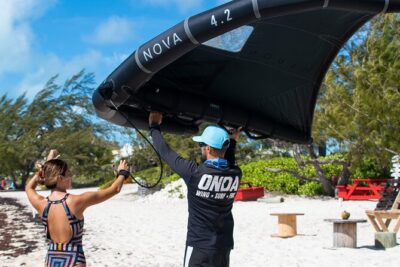 ★ 5.02 Hour Private Winging Lesson in Long Bay BeachFrom $44012 reviews
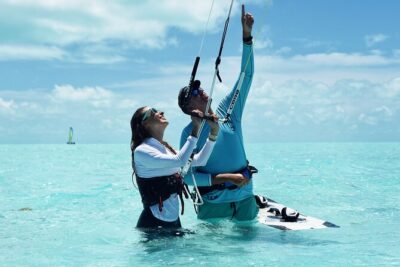 ★ 5.03 hours Private Kiteboarding Beginner LessonFrom $60011 reviews
 ★ 4.5Tubing Watersport Adventure Ride Grace Bay Turks and CaicosFrom $857 reviews
Browse the lists this tour appears in