
Reviewed · IGUANA ISLAND & MANGROVE CAY TOURS
Mangrove Cay Tour
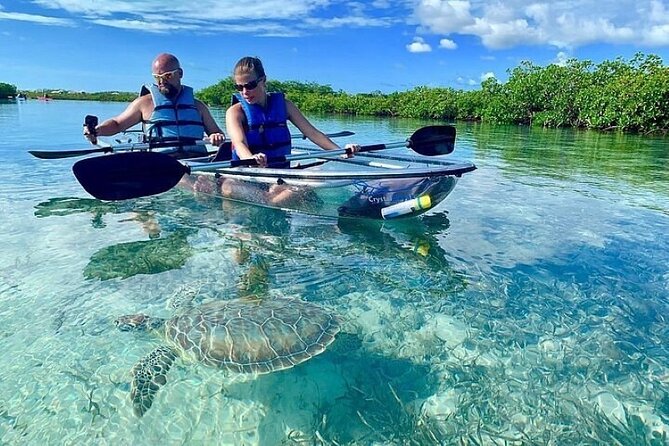
Watch wildlife work the mangroves. The Mangrove Cay Tour in Providenciales is a straightforward, two-hour outing where you explore the estuaries and channels and actually get good chances to spot juvenile turtles and sharks up close. What I like most is the combination of clear-water viewing for animals like conch and jellyfish, plus the small-group feel (up to 15 people) that helps everyone keep their eyes on the good stuff.
One thing to consider: this is an active water experience. If you have limited comfort paddling or you’re traveling with very young kids who can’t follow along, the longer time on the water may feel less fun.
In This Review
- Key things I’d zero in on
- Mangrove Cay’s real magic is the shallow maze
- How the 2-hour tour usually plays out (and why it works)
- Stop 1: Mangrove Cay and the channels full of juvenile sea life
- The best wildlife targets: turtles, sharks, jellyfish, conch
- Juvenile turtles
- Sharks (especially juvenile lemon and nurse sharks)
- Jellyfish
- Conch
- Stingrays and starfish
- Birdwatching: the easy side quest that makes the tour feel complete
- Guides can make or break the moment
- Price: is $130 worth it for a two-hour nature outing?
- Timing and tide: why low tide can change what you see
- What to bring and how to make the most of your spotting time
- Who this tour is best for (and who should think twice)
- Should you book the Mangrove Cay Tour?
- FAQ
- Where is the Mangrove Cay Tour located?
- How much does the Mangrove Cay Tour cost?
- How long is the tour?
- Is hotel pickup offered?
- Do I need a printed ticket?
- What’s the group size limit?
- What wildlife can I expect to see?
- What happens if the weather is bad?
- What if I cancel or need to change my booking?
Key things I’d zero in on
- Small group pacing (15 max) keeps the tour from turning into a wildlife scavenger hunt chaos zone
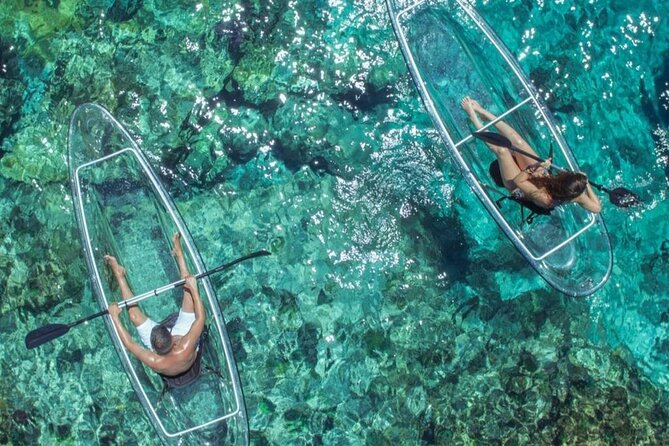
- Clear-water spotting helps you notice creatures in the shallow channels, not just the horizon
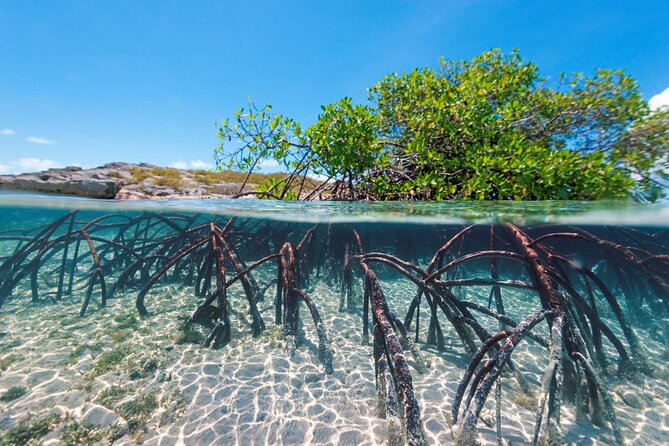
- Mangrove roots = hiding places for juvenile fish schools, where turtles and sharks often hang out
- Birdwatching alongside the sea gives you more to do than just looking underwater
- Guides who actively point things out can make the difference between seeing a few turtles vs. feeling like you lost count
Mangrove Cay’s real magic is the shallow maze
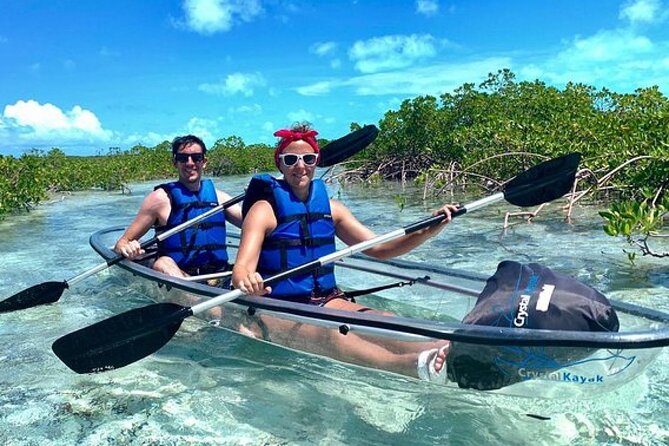
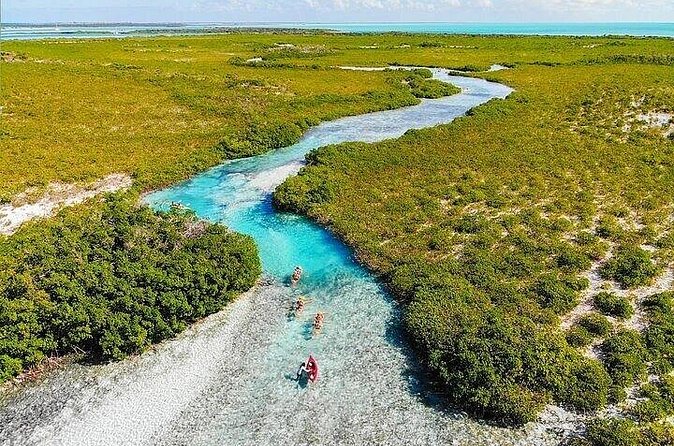
Mangrove Cay is one of those places where the setting does half the work. The mangrove roots form a tangled, protective system, and that structure creates sheltered channels and shallows where young marine life spends time. Instead of searching far offshore, you’re moving through a busy, living neighborhood.
This is also why the tour feels special even when conditions aren’t perfect. Overcast skies don’t stop the experience, and calm waters mean you can focus on the details—tiny movements, a head popping up, a shadow passing under you. You come away with the sense that you’re watching an ecosystem function, not just checking off animals.
And yes, it’s a classic Turks and Caicos mix: marine life meets bird life. Brown pelicans, green herons, tricolored herons, reddish egrets, and American oystercatchers are all in the mix, so you’re never stuck staring only down into the water.
Out to the rock iguanas and the mangrove channels, more quiet-water Providenciales
How the 2-hour tour usually plays out (and why it works)
The Mangrove Cay Tour is about two hours total, and that matters because it’s enough time to see animals without dragging you through a half-day of logistics. Pickup is offered, and you’ll use a mobile ticket, so the day starts easier than a lot of island tours that require extra paperwork.
In practice, you’ll spend your time on the water exploring the estuaries and channels around Mangrove Cay. Many departures include time out in calm, clear water where you can look down for movement, and then you move through the mangroves at a pace that lets the guide slow down when something’s worth watching. That flexibility is a big part of the value: the guide isn’t just running a script.
Group size is capped at 15. That’s small enough for attention and safety checks, but large enough to keep the vibe friendly. If you want a tour where you can actually hear instructions and still get personal animal-spotting moments, this size works.
Stop 1: Mangrove Cay and the channels full of juvenile sea life
Your main stop is Mangrove Cay itself, where the tour focuses on the surrounding channels and shallows. This is the sweet spot for spotting juvenile animals, because they use the roots and shallow edges for cover. When you’re near the right patches, it’s common to see lemon sharks (juvenile), nurse sharks, small turtles, conch, southern brown stingrays, starfish, and lots of juvenile fish.
Here’s what to expect in plain terms:
- You’ll watch for animals that blend into the background. Mangroves are visual clutter, and the animals use it.
- You’ll spend time scanning in slow bursts—eyes down, then up for the birds, then back down.
- When the guide finds something, you’ll get a chance to look long enough for it to become real, not just a quick glimpse.
One of the best parts is the way the mangrove roots can hide schools of tiny fish. It’s not only about big moments. Seeing that living web—tiny fish flickers near roots, a turtle resting in the shallows, a stingray angled into the sand—makes the ecosystem click.
If you’re hoping for turtles, you’re in the right place. Multiple guides are known for pointing them out as they surface, and that habit helps you notice where they’re likely to appear again.
The best wildlife targets: turtles, sharks, jellyfish, conch
If you want a “what are we actually looking for” list, here it is based on what the experience focuses on:
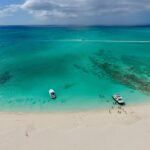
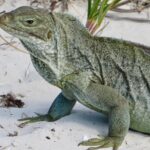

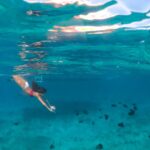
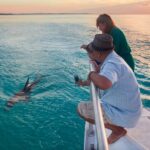
Juvenile turtles
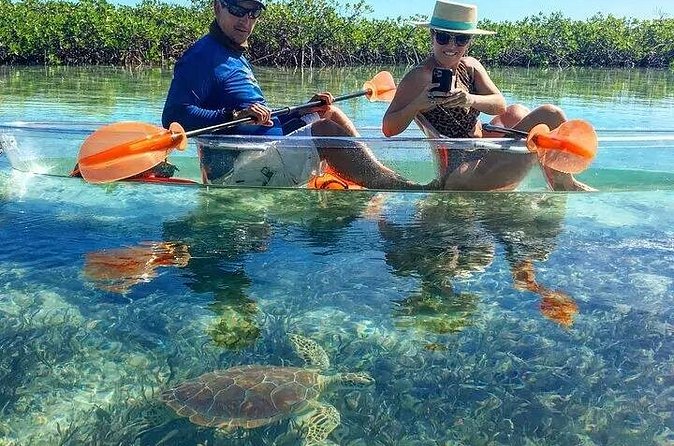
You’re looking for small turtles in calm shallow water. They may be partially submerged, and their timing matters—watching for slow head movement and occasional surface breaks is key.
Sharks (especially juvenile lemon and nurse sharks)
Juvenile lemon sharks and nurse sharks are part of the tour’s wildlife target. Because these are in sheltered channels, you’re not just seeing a distant fin; you can often spot them in a way that feels close and calm, which is what makes the experience memorable.
Jellyfish
Jellyfish sightings can happen, including upside-down jellyfish. They’re easy to miss if you’re rushing, so give your eyes time to adjust to the water’s depth and reflections.
Conch
Conch is a highlight. You’re likely to see it in the shallows and along the reefy edges. Some outings may also include handling live conch, but that depends on what the guide is comfortable with and what’s allowed at the moment—so keep it flexible and follow instructions.
Stingrays and starfish
Southern brown stingrays can be seen near the bottom. Starfish can show up too, especially where the water clears up and light reaches the shallows well.
The practical takeaway: bring patience. This isn’t a theme-park guarantee. It’s a best-odds wildlife encounter in a real habitat.
Birdwatching: the easy side quest that makes the tour feel complete
Mangroves aren’t just underwater. They’re also a bird buffet—quiet, active, and full of movement. Your tour includes birdwatching, with chances to spot brown pelicans, green herons, tricolored herons, reddish egrets, and American oystercatchers.
What I like about bird sightings here is that they give your eyes a break from underwater scanning. You can look up, refocus, and still stay tuned to the ecosystem. It also makes the tour more interesting if you’re traveling with people who get restless staring down in the water nonstop.
Guides can make or break the moment
A Mangrove Cay trip can be “good wildlife luck” or it can feel like a masterclass in what you’re seeing. The difference is usually the guide’s ability to point out animals without yanking the group around.
You’ll hear guide names like Yves, who’s known for calling out turtles, fish, conch, and jellyfish, and Marcus, who has led kayak-style outings where animals appear close to the paddling route. Other guides like Alvin and Innocent are praised for safety-first guidance and friendly explanations of mangrove animals and how the roots function as habitat.
If you’re booking because you want more than random spotting, pay attention to the guide’s style during the early part of the tour. When the group stays calm and close, you tend to see more.
Price: is $130 worth it for a two-hour nature outing?
At $130 per person for roughly two hours, you’re paying for three things: transportation support (pickup is offered), guided instruction, and access to a specific habitat where the wildlife density can be high.
Is it cheap? No. But it doesn’t feel overpriced when you look at what you get:
- A small-group experience (15 max)
- A focused habitat (mangrove channels) rather than a vague “see the island” tour
- The chance to see multiple species in one outing: turtles, sharks, jellyfish, conch, stingrays, starfish, plus birds
If you’re the type who values quality time in a real habitat over collecting lots of stops, this price can make sense. If you only care about one animal and you hate any physical component, you might want to compare against less active alternatives in the area.
Timing and tide: why low tide can change what you see
One practical clue from real-world experience: tide can affect visibility and where animals position themselves. If you go when conditions are right, you may find calmer, clearer channels and better spotting opportunities. If conditions shift, you might still have fun, but sightings can be less abundant.
That’s also why the tour is weather-dependent. Good conditions help keep the water calm and visibility better. If weather turns poor, you’ll need to rely on the operator’s plan to reschedule or refund.
What to bring and how to make the most of your spotting time
I’d treat this like a snorkeling-adjacent experience, even if you’re not snorkeling. You’ll want comfort and clear sight lines.
Bring:
- Sunglasses or a mask if you use them on boats
- Reef-safe sunscreen
- A hat and water-friendly clothing (the sun can surprise you)
- A phone in a protective case if you plan to take photos
Behavior-wise, your best strategy is simple:
- Listen first, then look. When the guide points out where to watch, you’ll notice animals faster.
- Don’t rush your head up and down. Slow scanning beats frantic scanning.
And if you’re with kids, set expectations early. This outing is for people who can stay engaged for a couple of hours and listen when the guide calls for attention.
Who this tour is best for (and who should think twice)
This tour is a strong fit if you:
- Want wildlife in a mangrove habitat near Providenciales
- Like structured guidance that helps you notice animals you’d miss alone
- Prefer a shorter outing that still feels substantial
- Travel as a couple, family, or small group and want small-group attention
It’s a weaker fit if:
- Paddling or long periods on the water are a struggle for you
- You’re bringing very young kids who can’t follow instructions or may need constant attention
- You’re looking for guaranteed sightings no matter what the water and tide are doing
The good news: you’re not stuck doing something extreme. Multiple guides make it work for a wide range of participants, and the group stays small enough for the guide to manage pacing.
Should you book the Mangrove Cay Tour?
I’d book it if you want a genuinely nature-forward two-hour outing in Turks and Caicos, with a real chance at turtles, juvenile sharks, jellyfish, and conch in calm mangrove channels. The small group size, pickup convenience, and the way guides actively point things out all add up to strong value for the time.
If you’re sensitive to physical activity or you know your group won’t handle time on the water well, treat it as the main “risk” in your decision. Otherwise, this is the kind of experience where you end up thinking about the mangroves on the drive back—because once you see how many animals use those roots, it’s hard to forget.
FAQ
Where is the Mangrove Cay Tour located?
It takes place in Providenciales, Turks and Caicos.
How much does the Mangrove Cay Tour cost?
The price is $130.00 per person.
How long is the tour?
The duration is about 2 hours.
Is hotel pickup offered?
Yes, pickup is offered.
Do I need a printed ticket?
No. You’ll use a mobile ticket.
What’s the group size limit?
The tour has a maximum of 15 travelers.
What wildlife can I expect to see?
You may see juvenile turtles, juvenile lemon sharks and nurse sharks, jellyfish, conch, southern brown stingrays, and starfish, along with various juvenile fish. Birdwatching can include brown pelicans, green herons, tricolored herons, reddish egrets, and American oystercatchers.
What happens if the weather is bad?
This experience requires good weather. If it’s canceled due to poor weather, you’ll be offered a different date or a full refund.
What if I cancel or need to change my booking?
The experience is non-refundable and cannot be changed for any reason.
More Iguana Island and Mangrove Cay Runs
- Morning Half Day Cruise from Providenciales with Snorkeling and Iguana Island★ 4.5 · 1,222 reviews
- Mangrove Clear Kayak Tour★ 5.0 · 794 reviews
- Mangrove & Iguana Clear Kayak Tour★ 5.0 · 507 reviews
- Afternoon Half Day Cruise from Providenciales with Snorkeling and Iguana Island★ 4.5 · 431 reviews
- 3HR Emerald reef snorkeling, iguana island and shipwreck tour★ 5.0 · 247 reviews
More Tour Reviews in Providenciales
- 4hour Group Half Day Snorkeling Excursion in Grace Bay★ 5.0 · 2,614 reviews
- 4-Hour Catamaran Sail and Snorkel Tour from Grace Bay★ 5.0 · 1,465 reviews
- Love Buggy Island Tour with Lunch★ 5.0 · 1,242 reviews
- Morning Half Day Cruise from Providenciales with Snorkeling and Iguana Island★ 4.5 · 1,222 reviews
- 2 Hour Champagne Sunset Cruise from Grace Bay, Providenciales (Adult Only)★ 5.0 · 1,010 reviews
Just added: newer Providenciales write-ups from the turquoise
- Providenciales Airport Private Transfer (Round trip)
★ 5.0 · 3 reviews - Half Moon Bay Jet Ski Tour & Snorkeling the La Famille Shipwreck
★ 4.5 · 3 reviews - Full-Day Private Cruise in Turks and Caicos with Lunch
★ 5.0 · 3 reviews - Private Luxury Transfer to/from Airport Turks and Caicos
★ 5.0 · 3 reviews - Sunset Cruise from Providenciales
★ 5.0 · 3 reviews - Snuba Adventure at Emerald Reef
★ 3.5 · 3 reviews - Private 2Hour Champagne Scenic Sunset cruise
★ 5.0 · 3 reviews - Providenciales to Caicos Providenciales Airport (PLS) – Transfer
★ 4.5 · 3 reviews
Iguana Island & Mangrove Cay Tours, compared.
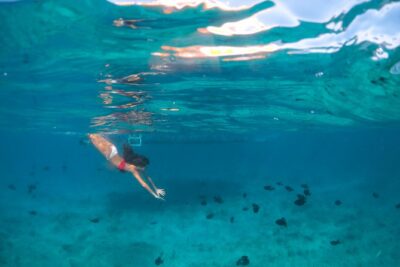 ★ 4.5Morning Half Day Cruise from Providenciales with Snorkeling and Iguana IslandFrom $1591,222 reviews
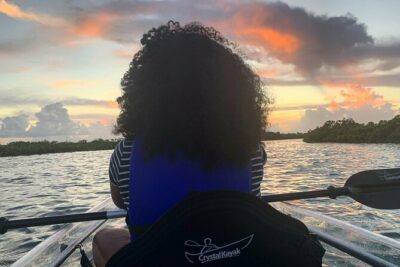 ★ 5.0Mangrove Clear Kayak TourFrom $125794 reviews
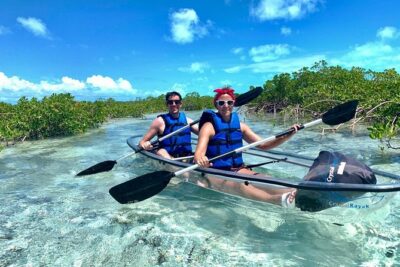 ★ 5.0Mangrove & Iguana Clear Kayak TourFrom $155507 reviews
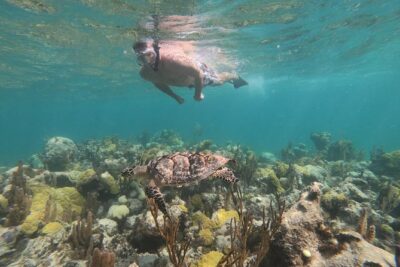 ★ 4.5Afternoon Half Day Cruise from Providenciales with Snorkeling and Iguana IslandFrom $159431 reviews
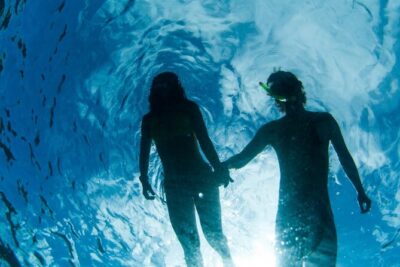 ★ 5.03HR Emerald reef snorkeling, iguana island and shipwreck tourFrom $125247 reviews
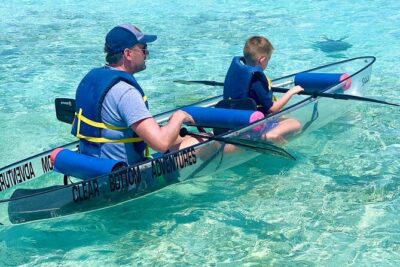 ★ 4.5Clear Bottom Kayaks Mangrove TourFrom $125217 reviews
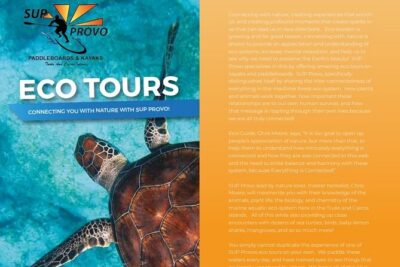 ★ 5.0Turtle Eco Tour on Stand-Up Paddleboards or Kayaks into the National Marine ParkFrom $156130 reviews
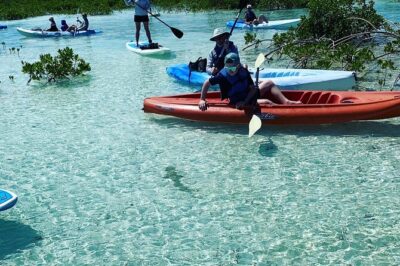 ★ 4.5Mangroves Kayak TourFrom $100114 reviews
Browse the lists this tour appears in