
Reviewed · IGUANA ISLAND & MANGROVE CAY TOURS
Turtle Eco Tour on Stand-Up Paddleboards or Kayaks into the National Marine Park
One look at the crystal-clear shallows is all you need. This eco tour in Providenciales sends you gliding through mangrove trails in the Turks and Caicos National Marine Park, with a guide who helps you spot wildlife as you go. Shallow-water paddling and close-up marine life make it feel like you’re seeing the ecosystem from the inside.
What I love most is the easy pace and the view from a 12ft SUP, which lets you see down into the water while you stand, kneel, or even sit. I also love that the tour includes a free intro paddle lesson, so first-timers get moving fast without turning it into a stress test.
The main thing to consider is you’ll likely be in the water and you should be comfortable around shallow splashes. Also, the tour runs only with good weather and can be tide-dependent, so plan for a day that can flex.
In This Review
- Key points to know before you paddle
- How this SUP or kayak eco tour actually feels in Provo
- Your main attraction: mangrove trails in knee-deep water
- SUP vs kayak: which one should you pick?
- Wildlife spotting that’s more than a checklist
- What happens at the start: lesson, gear, and getting comfortable
- Paddling through the National Marine Park mangroves: what you’ll notice
- Timing and tides: why your departure time matters
- Safety and comfort: the real-world considerations
- Price and value: is $156.80 worth it?
- Who this tour is best for (and who should think twice)
- What to pack and what to leave at home
- Quick FAQ for the Turtle Eco Tour
- FAQ
- Do I paddle a SUP or a kayak on this tour?
- How long is the tour?
- Do I get a lesson if I’ve never done SUP or kayaking?
- What wildlife might I see?
- What should I bring?
- How wet should I expect to get?
- What are the weight limits for paddling alone?
- Should you book the Turtle Eco Tour?
Key points to know before you paddle
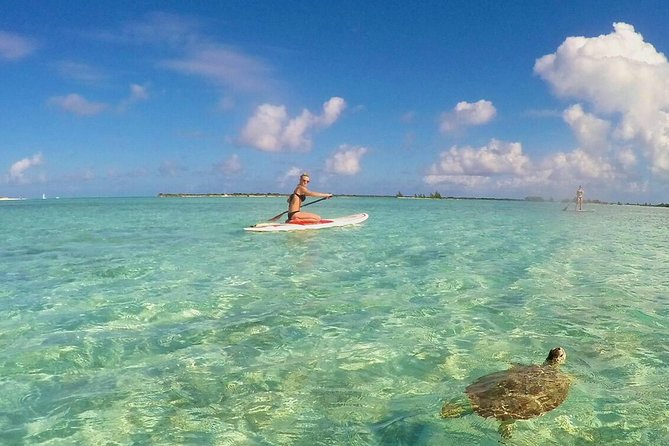
- SUPs are big (12ft) for better stability and a stronger view of what’s under you
- 90% knee-deep water makes the route feel approachable for beginners
- Max 8 people keeps the group easy for the guide to manage and for spotting wildlife
- Wildlife viewing is a real focus: turtles, sharks, rays, conch, starfish, and birds
- Free lesson + included gear means you show up and get started quickly
How this SUP or kayak eco tour actually feels in Provo
This is one of those tours that sounds simple, then turns out to be surprisingly fun once you’re out there. You’ll paddle through shallow estuaries among mangrove roots, where the water is often ultraclear and calm enough to make wildlife viewing practical instead of chaotic.
You get two ways to do it: stand-up paddleboard (SUP) or kayak. You choose ahead of time. The operator notes that their SUP boards are a huge 12ft length, which matters more than it sounds. A longer board tracks more steadily, and that gives you a better chance to look down for turtles, rays, and fish without fighting your balance every minute.
You’ll also be with a capable guide leading the route. That’s not just for safety. It also changes the whole experience. When the guide knows where to steer and what to watch for, you spend less time wondering and more time seeing.
And yes, there’s a lesson. The tour includes a free introductory paddle lesson, which means you’re not thrown straight into “figure it out” mode.
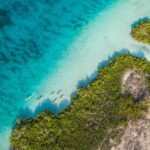
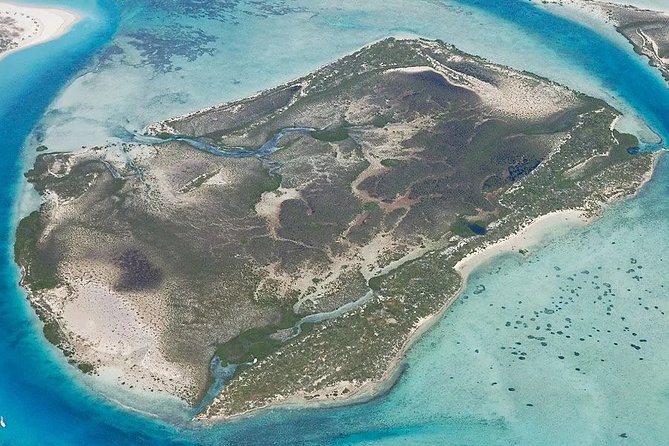
Out to the rock iguanas and the mangrove channels, more quiet-water Providenciales
Your main attraction: mangrove trails in knee-deep water
The core experience is paddling through “hidden trails” that zigzag through a nearby mangrove island. Think of it as a natural hallway system made of roots, shallow channels, and small openings where marine life feels comfortable.
The operator’s detail that 90% of the tour is in knee-deep water is a big deal for your comfort level. Knee-deep water means you can steady yourself quickly if you lose balance. You can also stand or kneel and keep your head above the roots without feeling like you’re wrestling waves.
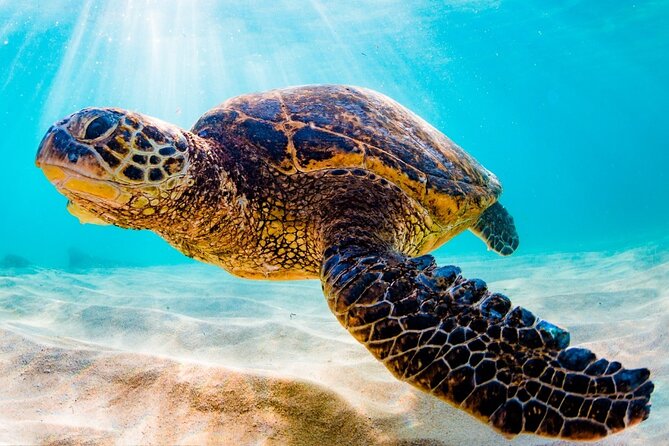
The mangroves are part of a National Marine Park, so the point isn’t just scenery. It’s that mangrove habitat acts like nursery grounds and shelter for a lot of the local species you came to see—especially the turtles and young sharks that show up in this kind of habitat.
There’s another practical benefit to the shallow route: you can actually scan. From a SUP, you get a better angle to look directly into the water than you would from a kayak seat. Many people also find it easier to reposition their body—standing, kneeling, or sitting—to match what they’re spotting.
SUP vs kayak: which one should you pick?
If you care most about viewing, the SUP is usually the better match. The tour is built around the idea that you’ll see marine life close to the surface, sometimes just inches from where your board rides the waterline.
A SUP also gives you options:
- stand for a wider look
- kneel for lower reach and extra stability
- sit if you need a break or want to steady yourself while watching
That combination is exactly why the operator frames this SUP setup as something between standing and kayak comfort. The board’s 12ft length also helps you stay balanced longer, especially early on.
If you want a calmer, seated feel, the kayak is a solid choice. It can feel less “sporty,” and you might prefer the extra stability of a seated position. The tradeoff is that you’re less likely to get the same direct downward view as the SUP.
One more reality check: expect to get wet. Even in calm knee-deep water, you’re still pushing into currents around roots, and splashes happen.
Wildlife spotting that’s more than a checklist
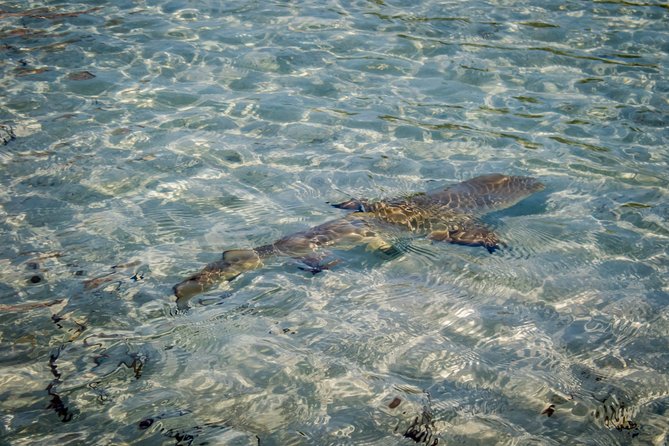
The tour’s wildlife promise isn’t vague. It lists a wide range of species you might see as you paddle:
- turtles
- eagle rays
- sharks
- snapper
- conch
- starfish
- birds like cormorants, egrets, and pelicans
The most consistently praised experience detail is how close the wildlife can feel when you’re gliding slowly through the mangroves. Because you’re moving slowly and in shallow water, you’re not just looking for movement at a distance. You’re scanning the water under and around you.
In practice, this often means the highlight moments come in waves: first birds and general marine activity, then turtles, and sometimes the younger sharks and rays later as you cover more of the route. Some guides also time the route to match what’s active in the habitat.
A useful way to enjoy it is to change your focus during the paddle:
- Start by watching roots and edges where animals like to hide
- Then shift to the water column under your board
- Finally, watch what comes up near channels and openings
Guides can help with all of that. The reviews especially highlight guides like Mark (often described as patient and very tuned in to spotting wildlife), plus Chris and Alan in other moments. Their job is to keep the group safe while also making sure you don’t miss what’s right there.
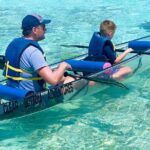
Paddle a see-through hull over the turtle grass, more clear-kayak Providenciales

What happens at the start: lesson, gear, and getting comfortable
Before you paddle, you’ll get a free introductory paddle lesson. This is the moment that turns “I’m nervous” into “I get it.”
You’ll also get the board and paddle, plus bottled water. Park license fees are included too, so you’re not surprised by extra add-ons once you’re there.
If you’re new to SUP, this is where you learn the basics: how to hold the paddle, how to move in a straight line, and how to steer. One review detail that’s worth taking seriously is that steering isn’t only about standing straight. You can steer using different body positions, including sitting or kneeling, if you need help maintaining control.
The lesson is also a confidence builder for families and anyone who hasn’t done paddle sports in moving water. Guides tend to adjust the pace to the group, and small groups help a lot here since the guide can give more time per person.
Paddling through the National Marine Park mangroves: what you’ll notice
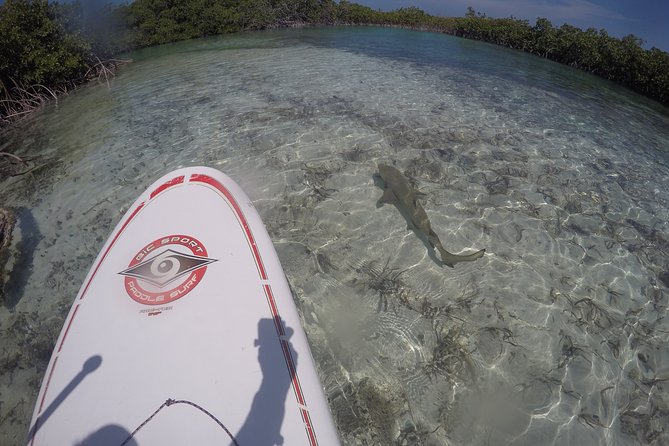
As you move into the mangroves, the atmosphere changes. You’ll feel like you’re in a sheltered water world. The roots act like a visual frame, and the shallow depth makes the water feel close and clear rather than open and overwhelming.
Here’s what you should watch for as you paddle:
- Turtle sightings: they can appear suddenly when you pass a calm pocket of water
- Conch and starfish: these are often easier to spot when you pause and look down between paddling strokes
- Bird activity: pelicans and other birds can signal where the best viewing pockets are
- Rays and sharks: these are more likely when you’re traveling through channel-like sections rather than only the densest root areas
Because the water is shallow, you can slow down to really observe. That’s one reason many people call this their top activity in Provo: it feels like you’re not just “on” the water, you’re part of the ecosystem’s rhythm.
Timing and tides: why your departure time matters
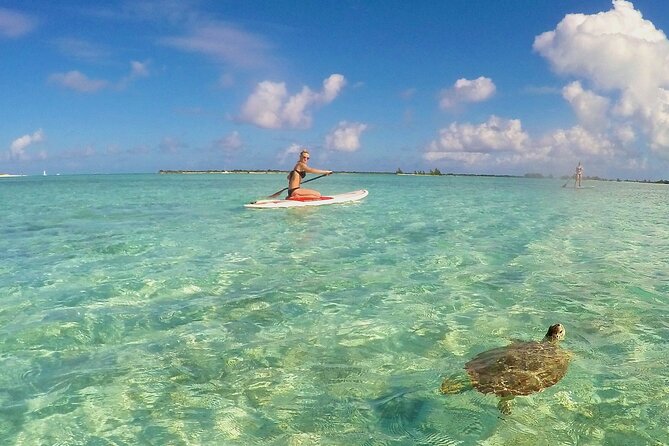
The tour notes multiple departure times throughout the day, but there’s a catch. The exact timing can shift with tides, and that affects how the shallow route behaves.
You’ll also find that the experience runs about 1 hour 30 minutes on the water, but from collection to drop-off you should expect closer to around 2 hours. Plan your other activities with that extra buffer.
A practical approach: choose a departure window that gives you time to relax before you go. Paddle tours work best when you’re not rushing from a beach towel to your next reservation. Also, if you’re booking based on wildlife priority, morning and mid-day can both be great. The big factor is the conditions you get at your specific time.
Safety and comfort: the real-world considerations
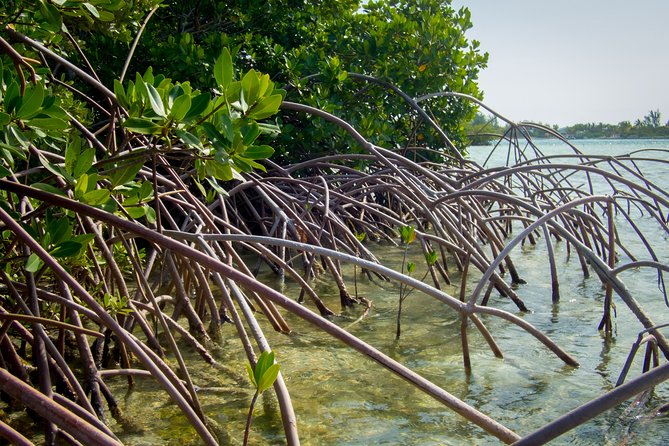
The operator says the tour is suited for all skill levels, especially beginners. The shallow route helps, and you’ll have a guide to help you manage the current and the route.
Still, there are a few honest considerations:
- You should expect to get wet.
- You should be comfortable swimming, since the boards are in the water and the route runs through channels.
- Weight matters if you plan to paddle on your own: there’s a minimum weight of 80 lbs to paddle alone, and a maximum of 250 lbs.
- The tour has a maximum of 8 travelers, which supports a more controlled, attentive experience.
One useful tip is about cameras. The tour doesn’t require you to bring anything, unless you want your own waterproof camera. If you’re bringing a phone, plan for waterproofing. Clear water also means you’ll want photos of species close to the surface.
Price and value: is $156.80 worth it?
At $156.80 per person, this isn’t a $30 “walk around and take a few pictures” activity. But it does include the key things that make it feel like a real excursion instead of a rental-and-go setup:
- guided tour inside a protected marine area
- free intro lesson
- board and paddle
- bottled water
- park license fees included
Value is also about how much of the experience is “taken care of” once you arrive. The lesson and gear included mean you can travel light. And the small group size means you’re more likely to get attention when you need it—especially if you’re new to SUP.
If wildlife viewing and mangrove habitat are your priorities, the price starts to make sense fast. You’re paying for access, guidance, and the chance to see turtles and young sharks in a habitat that’s hard to replicate on your own.
Who this tour is best for (and who should think twice)
This is a strong fit for:
- first-time paddlers who want a friendly entry point
- families with kids old enough to follow instructions and handle shallow water (the tour notes it works for all skill levels)
- wildlife lovers who care about mangrove habitat, not just a beach view
- anyone who wants the best possible “look down into the water” angle (SUP helps here)
It may not be the right fit if:
- you’re not comfortable being wet or in water around roots
- you need a completely dry, low-water experience
- you’re traveling on a day when weather looks unstable (the tour requires good weather)
A bonus factor: the route in shallow water makes it easier to take breaks mentally and physically. You can steady yourself, look around, and enjoy the scenery without feeling like you’re always working for survival.
What to pack and what to leave at home
The operator keeps it simple: you don’t need to bring much. If you want photos, bring a waterproof camera (or a waterproof phone case).
Other practical items to consider, based on the fact you’ll get wet:
- water-friendly shoes or plan for barefoot moments
- a towel you don’t mind using afterward
- a dry bag for anything you must keep dry
The less you carry, the better. You’ll enjoy the paddle more when your hands aren’t occupied with gear you don’t need.
Quick FAQ for the Turtle Eco Tour
FAQ
Do I paddle a SUP or a kayak on this tour?
You can do either. You’ll need to let the operator know ahead of time which option you prefer.
How long is the tour?
The paddle time is about 1 hour 30 minutes. From pick-up to drop-off, expect around 2 hours.
Do I get a lesson if I’ve never done SUP or kayaking?
Yes. A free introductory paddle lesson is included with each tour.
What wildlife might I see?
The tour highlights turtles and sharks, plus eagle rays, snapper, conch, starfish, and birds such as cormorants, egrets, and pelicans.
What should I bring?
You don’t need to bring much. If you want to take photos, consider a waterproof camera.
How wet should I expect to get?
Expect to get wet. The route runs through shallow water and is largely knee-deep.
What are the weight limits for paddling alone?
The tour notes a minimum of 80 lbs to paddle alone and a maximum of 250 lbs.
Should you book the Turtle Eco Tour?
If you want an island activity that mixes mangrove habitat with genuine wildlife viewing, I’d book this. The small group size, the fact that much of the route is knee-deep, and the included free lesson make it one of the easier ways to experience Turks and Caicos marine life up close.
Book it if:
- you’re excited about seeing turtles and possibly young sharks in a mangrove ecosystem
- you want a guide-led route rather than figuring it out on your own
- you can handle getting wet and being outside in the day’s conditions
Hold off if:
- your schedule can’t flex around weather, or you strongly prefer a dry, low-water outing
If you do book, pick a departure time that gives you breathing room before and after. Then slow down once you’re out there. The whole magic of this tour is that the wildlife isn’t hiding behind distance. It’s near enough to matter.
More Clear-Kayak Paddles Over the Grass
- Mangrove Clear Kayak Tour★ 5.0 · 794 reviews
- Mangrove & Iguana Clear Kayak Tour★ 5.0 · 507 reviews
- Kayak Eco Tour★ 5.0 · 245 reviews
- Clear Kayak Photoshoot in Turks and Caicos Islands Providenciales★ 4.5 · 221 reviews
- Clear Bottom Kayaks Mangrove Tour★ 4.5 · 217 reviews
More Iguana Island and Mangrove Cay Runs
- Morning Half Day Cruise from Providenciales with Snorkeling and Iguana Island★ 4.5 · 1,222 reviews
- Mangrove Clear Kayak Tour★ 5.0 · 794 reviews
- Mangrove & Iguana Clear Kayak Tour★ 5.0 · 507 reviews
- Afternoon Half Day Cruise from Providenciales with Snorkeling and Iguana Island★ 4.5 · 431 reviews
- 3HR Emerald reef snorkeling, iguana island and shipwreck tour★ 5.0 · 247 reviews
More Tour Reviews in Providenciales
- 4hour Group Half Day Snorkeling Excursion in Grace Bay★ 5.0 · 2,614 reviews
- 4-Hour Catamaran Sail and Snorkel Tour from Grace Bay★ 5.0 · 1,465 reviews
- Love Buggy Island Tour with Lunch★ 5.0 · 1,242 reviews
- Morning Half Day Cruise from Providenciales with Snorkeling and Iguana Island★ 4.5 · 1,222 reviews
- 2 Hour Champagne Sunset Cruise from Grace Bay, Providenciales (Adult Only)★ 5.0 · 1,010 reviews
Just added: newer Providenciales write-ups from the turquoise
- Providenciales Airport Private Transfer (Round trip)
★ 5.0 · 3 reviews - Half Moon Bay Jet Ski Tour & Snorkeling the La Famille Shipwreck
★ 4.5 · 3 reviews - Full-Day Private Cruise in Turks and Caicos with Lunch
★ 5.0 · 3 reviews - Private Luxury Transfer to/from Airport Turks and Caicos
★ 5.0 · 3 reviews - Sunset Cruise from Providenciales
★ 5.0 · 3 reviews - Snuba Adventure at Emerald Reef
★ 3.5 · 3 reviews - Private 2Hour Champagne Scenic Sunset cruise
★ 5.0 · 3 reviews - Providenciales to Caicos Providenciales Airport (PLS) – Transfer
★ 4.5 · 3 reviews
Iguana Island & Mangrove Cay Tours, compared.
 ★ 4.5Morning Half Day Cruise from Providenciales with Snorkeling and Iguana IslandFrom $1591,222 reviews
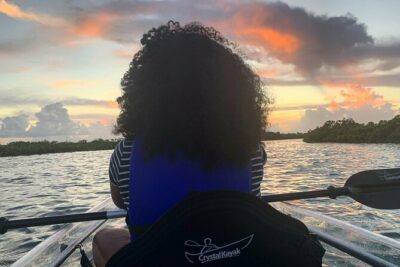 ★ 5.0Mangrove Clear Kayak TourFrom $125794 reviews
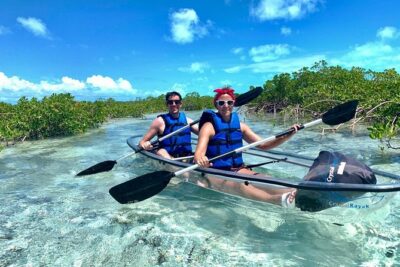 ★ 5.0Mangrove & Iguana Clear Kayak TourFrom $155507 reviews
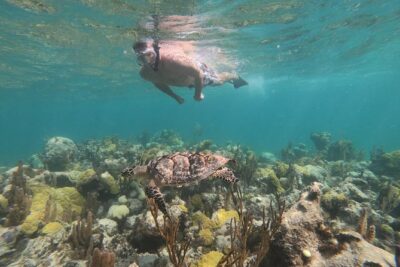 ★ 4.5Afternoon Half Day Cruise from Providenciales with Snorkeling and Iguana IslandFrom $159431 reviews
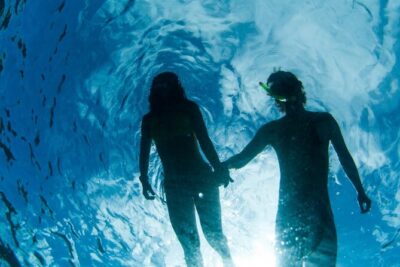 ★ 5.03HR Emerald reef snorkeling, iguana island and shipwreck tourFrom $125247 reviews
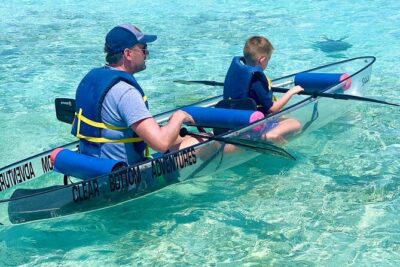 ★ 4.5Clear Bottom Kayaks Mangrove TourFrom $125217 reviews
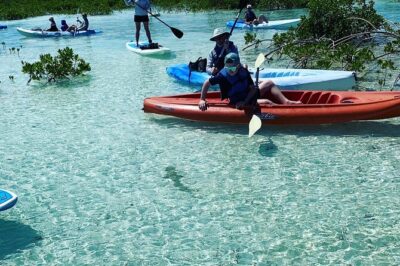 ★ 4.5Mangroves Kayak TourFrom $100114 reviews
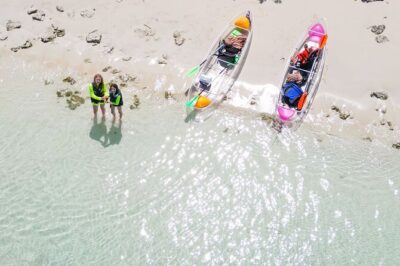 ★ 4.53HR Clear Kayak Mangrove and iguana island Tour in LeewardFrom $155110 reviews
Browse the lists this tour appears in